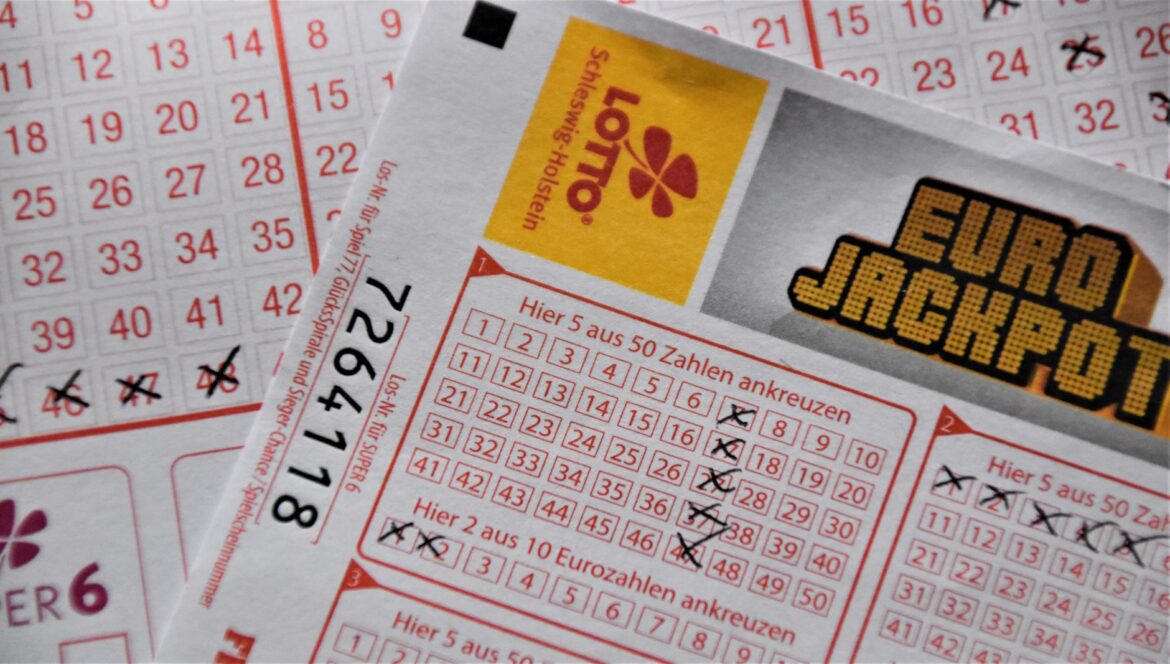
Yukon Lottery revenue is facing a decline as online gambling gains popularity. This shift is impacting traditional lottery sales and revenue streams.
Understanding the Yukon Lottery’s Revenue Decline
The Yukon Lottery has recently reported a significant drop in its revenue, prompting concerns among local officials and stakeholders. The decline in Yukon Lottery revenue can be attributed to several interrelated factors that reflect changing consumer behaviors and market dynamics.
One of the primary reasons for this decrease is the rapid rise of online gambling platforms. As more individuals turn to the convenience of online casinos and sports betting apps, traditional lottery sales have suffered. This shift has been particularly pronounced among younger demographics who prefer digital options over in-person lottery purchases.
Additionally, the ongoing impact of the global pandemic has altered spending habits. Many consumers are prioritizing essential expenses, leading to reduced discretionary spending on lottery tickets and other forms of entertainment. Coupled with this is an increase in competition from other gaming options, which have become more accessible and appealing to the public.
Furthermore, the Yukon Lottery has faced challenges in marketing and outreach, struggling to engage potential players effectively. Without innovative strategies to attract new participants, the lottery’s revenue is likely to continue its downward trend.
In summary, the decline in Yukon Lottery revenue is a multifaceted issue that highlights the urgent need for adaptation in an evolving gaming landscape.
The Rise of Online Gambling
The landscape of gambling has shifted significantly in recent years, with the rise of online platforms presenting new challenges for traditional lottery systems like the Yukon Lottery. As more players turn to the convenience of online gambling, the revenue generated by brick-and-mortar lotteries is experiencing a noticeable decline.
Several factors contribute to this trend:
- Accessibility: Online gambling allows players to engage in various games from the comfort of their homes. This ease of access has attracted a larger audience, diverting attention from local lotteries.
- Variety: Online platforms often offer a wider range of gaming options, including slots, poker, and sports betting, which appeal to a broader demographic.
- Promotions and Bonuses: Many online gambling sites provide enticing promotions and bonuses that can significantly enhance the player experience, further drawing participants away from traditional lottery games.
As a result, the Yukon Lottery revenue has seen a troubling drop, prompting officials to reassess their strategies. Without adaptation to the evolving gambling landscape, maintaining player interest in traditional lottery games may become increasingly difficult.
Impact on Traditional Lottery Sales
The decline in Yukon Lottery revenue has raised concerns among traditional lottery retailers, as they face increasing competition from online gambling platforms. This shift in consumer behavior has resulted in a noticeable impact on traditional lottery sales, which have not only slowed but have also prompted many retailers to rethink their business strategies.
Several factors contribute to this decline in sales:
- Convenience: Online gambling offers an accessible alternative for players, allowing them to purchase tickets from the comfort of their homes without the need to visit a retailer.
- Variety of Options: Players now have access to a broader range of games and betting options online, attracting those who may have previously participated in traditional lottery sales.
- Younger Demographics: The younger population, who are more tech-savvy, are increasingly opting for online platforms, leaving traditional lottery retailers struggling to engage this demographic.
- Marketing Strategies: Online gambling sites often employ aggressive marketing tactics, providing bonuses and promotions that traditional lotteries cannot match.
As Yukon Lottery revenue continues to drop, it is crucial for traditional retailers to adapt to these changing dynamics and explore new ways to attract and retain customers.
Future of Yukon Lottery
The future of Yukon Lottery remains uncertain as it grapples with the challenges posed by a shift in gambling preferences. With the surge in online gambling, traditional lottery sales have seen a significant drop, leading to concerns about the long-term sustainability of Yukon Lottery revenue.
In response to this decline, officials are exploring several strategies to rejuvenate interest in the lottery. These include:
- Enhanced Marketing Campaigns: Efforts are underway to modernize promotional strategies to attract younger audiences who are more inclined toward digital platforms.
- Partnerships with Online Platforms: Collaborating with reputable online gaming sites could help tap into a broader market and potentially boost revenue streams.
- Innovative Game Formats: Introducing new game formats that blend traditional lottery elements with interactive features might appeal to tech-savvy players.
- Community Engagement: Strengthening ties with local communities through sponsorship of events and initiatives may also enhance public interest in the lottery.
As the Yukon Lottery navigates these changes, stakeholders remain hopeful that adapting to the evolving landscape of gambling will help stabilize and eventually increase Yukon Lottery revenue in the years to come.
Comparative Analysis with Other Regions
The Yukon Lottery revenue decline can be better understood when compared to trends in other regions. In recent years, many provinces and territories have reported similar downturns attributed to the increasing popularity of online gambling platforms. This shift has not only affected Yukon but also other areas where traditional lottery sales have historically thrived.
- British Columbia: Revenue from traditional lotteries has decreased by approximately 15% over the past two years, with many players opting for online betting options.
- Ontario: Reports indicate a staggering 20% drop in lottery sales, aligning with the launch of several new online gaming applications that attract younger demographics.
- Alberta: Similar patterns have emerged, underscoring a 10% decline in lottery ticket purchases, as residents increasingly engage with digital gambling alternatives.
The comparative analysis reveals a clear trend: as online gambling becomes more accessible and appealing, traditional lottery systems are struggling to maintain their customer base. This shift has significant implications not only for revenue but also for the social programs that rely on lottery funding. Understanding these dynamics is crucial for the Yukon Lottery as it navigates the challenges posed by this changing landscape.
Photo by Waldemar Brandt on Pexels